
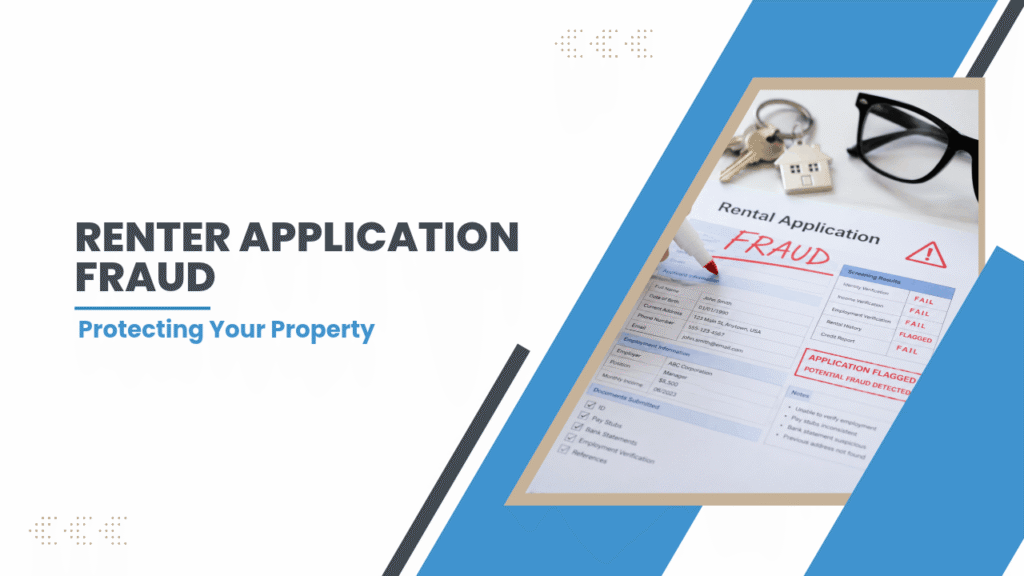
Are you at risk for approving a tenant who submits a fraudulent rental application?
This is a growing problem, and for California rental property owners, the stakes are particularly high. Our extensive tenant protections and complex eviction laws mean that removing a tenant who is ultimately unqualified and who rented your home with fraudulent information can be a lengthy, expensive, and legally complicated process.
As experienced property managers, we can tell you that many fraudulent applications share common warning signs. By understanding the risks and implementing a consistent screening process, rental property owners can significantly reduce the likelihood of approving an unqualified or dishonest applicant.
Our Summary:
|
Is Application Fraud Becoming More Common?
Yes. Technology has made it easier than ever to create convincing fake documents. With widely available editing software and online tools, applicants can alter pay stubs, bank statements, employment verification letters, identification documents, and even references.
In highly competitive rental markets throughout California, some applicants may exaggerate or misrepresent their financial qualifications to improve their chances of securing housing. Others intentionally conceal prior evictions, poor rental histories, outstanding debts, or criminal activity.
Common Types of Rental Application Fraud
Fraud can take many forms, ranging from small omissions to elaborate document forgery.
Some of the most common examples include:
- Altered pay stubs showing inflated income
- Fake employment verification letters
- Fabricated bank statements
- Identity theft or stolen identification
- False rental references
- Undisclosed prior evictions
- Misrepresented occupancy information
- Hidden pets or unauthorized occupants
- Fake Social Security numbers
- Artificially enhanced credit information
While a single inconsistency in an application does not necessarily indicate fraud, multiple discrepancies deserve a closer look and a few extra questions.
What Are the Red Flags to Look for in an Application?
As we’re screening, we often recognize patterns that warrant additional investigation. Potential warning signs include:
- Inconsistent Information. Compare every document carefully. Do addresses, employer names, dates, phone numbers, and income figures match throughout the application? Conflicting information should always be clarified before approval.
- Income That Seems Too Good to Be True. Applicants may submit documents showing unusually high income that doesn’t align with their occupation or employment history. Verify employment independently rather than relying solely on documents provided by the applicant.
- Poor-Quality Documents. Blurry PDFs, inconsistent fonts, unusual formatting, missing company logos, or visible editing marks may indicate altered documents. Legitimate payroll records are generally consistent in appearance.
- Pressure to Move Quickly. Fraudulent applicants sometimes create urgency by insisting they need immediate approval or offering to pay several months’ rent upfront before completing the screening process. Never skip standard screening procedures.
- Phone Numbers That Can’t Be Verified. Always verify employers and previous landlords using publicly available contact information whenever possible instead of relying solely on numbers listed on the application.
- Reluctance to Provide Documentation. Applicants who hesitate to provide requested documentation or become defensive when asked reasonable follow-up questions may warrant additional review.
Best Practices to Reduce Your Risk
While no screening process can eliminate all risk, several best practices can make fraud significantly more difficult for unqualified tenants.
- Verify Employment Independently
Contact employers directly using publicly listed phone numbers or official company directories whenever possible. Confirm employment status, position, and income according to your standard verification procedures and applicable privacy laws.
- Review Credit and National Eviction Reports
Professional tenant screening services can provide valuable information regarding credit history, prior addresses, eviction records where available, and other relevant screening data. Use screening reports consistently and in compliance with all applicable federal, state, and local fair housing laws.
- Contact Previous Landlords
Speaking directly with previous housing providers may reveal information that doesn’t appear on an application. Ask objective questions such as:
- Was rent paid on time?
- Did the tenant provide proper notice?
- Was the property well maintained?
- Would you rent to them again?
- Apply Consistent Screening Standards
One of the best ways to protect both your property and your business is to establish written screening criteria and apply them consistently to every applicant. Objective, uniform standards help reduce both fraud risk and potential fair housing concerns.
Professional Property Management Can Help
Working with experienced property managers like us is especially useful because tenant screening has become increasingly complex.
We have access to sophisticated screening tools, established verification procedures, and extensive experience recognizing fraudulent applications.
Beyond screening, we also understand California’s evolving landlord-tenant laws and can help owners maintain consistent, legally compliant leasing practices.
Frequently Asked Questions

Q: Why is rental application fraud such a concern in California?
California’s extensive tenant protections and legal requirements can make resolving issues with a fraudulent tenant more difficult and time-consuming than preventing the problem through careful screening.
Q: Can fake pay stubs and employment records be detected?
Often, yes. Verifying employment directly with the employer and comparing information across application documents can help identify inconsistencies or altered records.
Q: Should landlords verify previous rental history?
Absolutely. Speaking with prior landlords can provide valuable insight into an applicant’s payment history, lease compliance, and overall tenancy.
Q: Can paying several months of rent upfront eliminate screening concerns?
No. While prepaid rent may seem attractive, it should never replace a complete screening process. Fraudulent applicants sometimes use upfront payments to encourage owners to overlook verification steps.
Q: What is the best way to reduce the risk of application fraud?
Work with a property manager who uses a consistent, documented screening process that includes identity verification, employment and income verification, credit and background screening where appropriate, and reference checks before approving any applicant.
Prevention is your best protection. To reduce your risk of dealing with application fraud, contact us at South County Property Management. We serve Santa Clara County and the South County area, including San Jose, Campbell, Saratoga, Cupertino, Sunnyvale, Los Gatos, Milpitas, Morgan Hill, Gilroy, and neighboring areas.
