
Are you using tenant credit scores effectively in your screening process?
It’s a common metric, and while a credit score can provide a quick snapshot of financial behavior, relying solely on that number can be misleading.
Understanding how to interpret credit scores, reviewing the full credit report, and using both in combination can help you make smarter leasing decisions. Let’s take a closer look at what you need to know.
Quick Look:
|
How Tenant Credit Scores Are Used in Screening
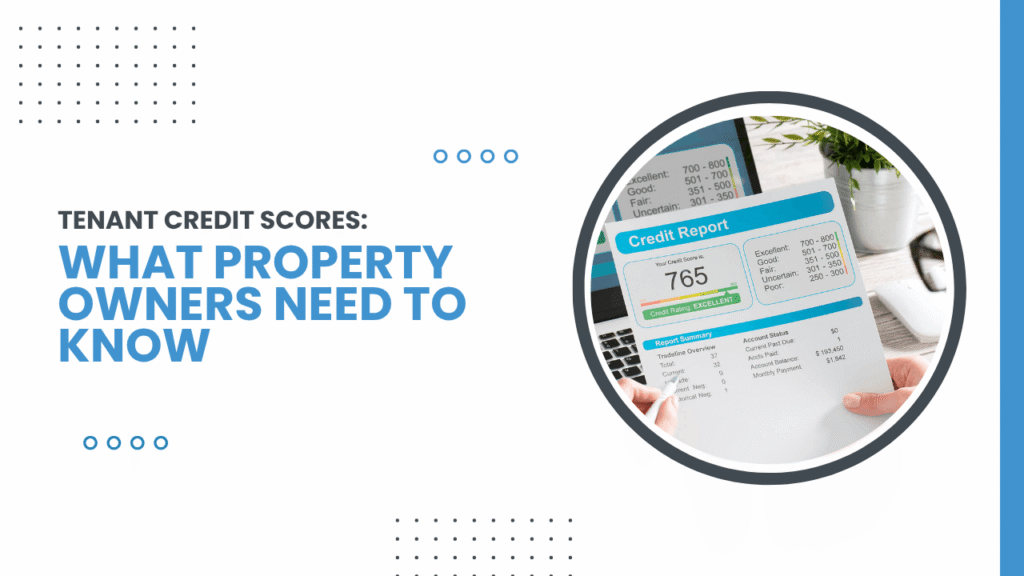
A tenant’s credit score is a numerical representation of their creditworthiness. In general, scores range from 300 to 850, with higher numbers indicating lower perceived risk. Landlords often use credit scores to determine whether a tenant qualifies for a rental property, assess the likelihood of timely rent payments, and decide whether additional security deposits or cosigners are necessary
In California, many landlords establish baseline credit requirements as part of standard qualifying rental criteria. For example, a score of 650 or above might be required before considering an applicant for your rental home. This threshold helps filter out applicants with a history of serious financial delinquencies.
Why the Full Credit Report Matters
While the score provides a quick summary, the full credit report offers much more context. It includes detailed information on:
- Credit history. Payment patterns on loans, credit cards, and other obligations
- Outstanding debt. Current balances that might affect a tenant’s ability to pay rent
- Collections or bankruptcies. Serious delinquencies that indicate financial risk
- Inquiries. Recent applications for credit, which can signal financial stress
- Public records. Judgments, liens, or other legal actions
By reviewing the full report, you gain a more nuanced understanding of a potential tenant’s financial behavior.
Using Credit Scores as a Baseline
With new screening laws requiring that tenant applications are screened in order of receipt and the first qualified application accepted, a credit score should generally be treated as a baseline in your qualifying criteria. But it doesn’t mean everything. Here’s why:
1. Scores don’t capture all relevant information
A high score does not guarantee a tenant will pay rent on time, and a lower score does not automatically indicate a high risk. Some applicants may have lower scores due to student loans, medical bills, or other temporary factors, yet be financially responsible in practice.
2. Credit behavior is context-dependent
Reviewing the full report can reveal trends over time. A tenant who made mistakes five years ago but has a clean record since may be a more reliable renter than someone with a spotless score but recent negative activity.
3. Use scores to standardize screening
Credit scores help establish consistent baseline criteria, which is important for complying with fair housing laws. By applying the same minimum score to all applicants, you avoid potential discrimination claims.
Best Practices for California South Bay Landlords
When using credit scores in tenant screening, consider these best practices:
- Review the Full Credit Report
Take the time to analyze the full credit report rather than relying solely on the numerical score. Look for patterns, such as consistent late payments or a history of debt repayment.
- Consider Other Financial Indicators
A tenant’s ability to pay rent is not solely determined by their credit score. Additional factors to review include employment history and current income, debt-to-income ratio, and rental history and references from previous landlords. Not all credit reports will include evictions. Make sure you conduct a nationwide eviction check, too.
- Establish a Fair, Transparent Process
Set clear, written criteria for applicants, including your minimum acceptable credit score and other qualifying factors. Document the reasons for any denials, as required under federal and California law.
- Stay Compliant with Credit Reporting Regulations
Ensure that your screening process complies with federal laws such as the Fair Credit Reporting Act (FCRA) and California’s tenant screening regulations. Provide applicants with proper disclosure before pulling their credit report and follow procedures if you deny an applicant based on the report.
Common Misconceptions About Tenant Credit
Many landlords rely too heavily on credit scores or misunderstand what they indicate. Here are a few common misconceptions:
- A perfect score guarantees rent payments. Even financially responsible tenants may face unforeseen circumstances.
- Low scores always indicate high risk. Temporary financial setbacks or alternative debt structures can lower scores without reflecting actual rental reliability.
- Ignoring other financial factors is safe. Employment stability, rental history, and references often predict future payment reliability better than a score alone.
Our FAQs
Q: What credit score is typically considered acceptable for tenants in the South Bay?
A: While thresholds vary, many landlords use a baseline of 650–700. As economic conditions remain uncertain, many owners are reducing their minimum acceptable credit score to 600 or 620. The full credit report should supplement this number to assess overall risk.
Q: Can I reject a tenant solely based on credit score?
A: You can set a minimum score as part of your criteria, but you must comply with federal and state regulations, including providing proper disclosure under the FCRA.
Q: How often should I review tenant credit reports?
A: Typically, landlords review credit reports during the application process. Some may also perform periodic checks if stipulated in the lease agreement, but this must comply with legal requirements.
 Screening tenants effectively is a requirement of successful property management in California’s South Bay. By combining a baseline credit score with a detailed review of the full credit report, property owners can make informed decisions that protect their investments, maintain consistent cash flow, and build positive relationships with tenants.
Not sure you have the tools and the technology to really dig into tenant credit? We can help. Contact us at South County Property Management. We serve Santa Clara County and South County, including San Jose, Campbell, Saratoga, Cupertino, Sunnyvale, Los Gatos, Milpitas, Morgan Hill, Gilroy, and neighboring areas.
